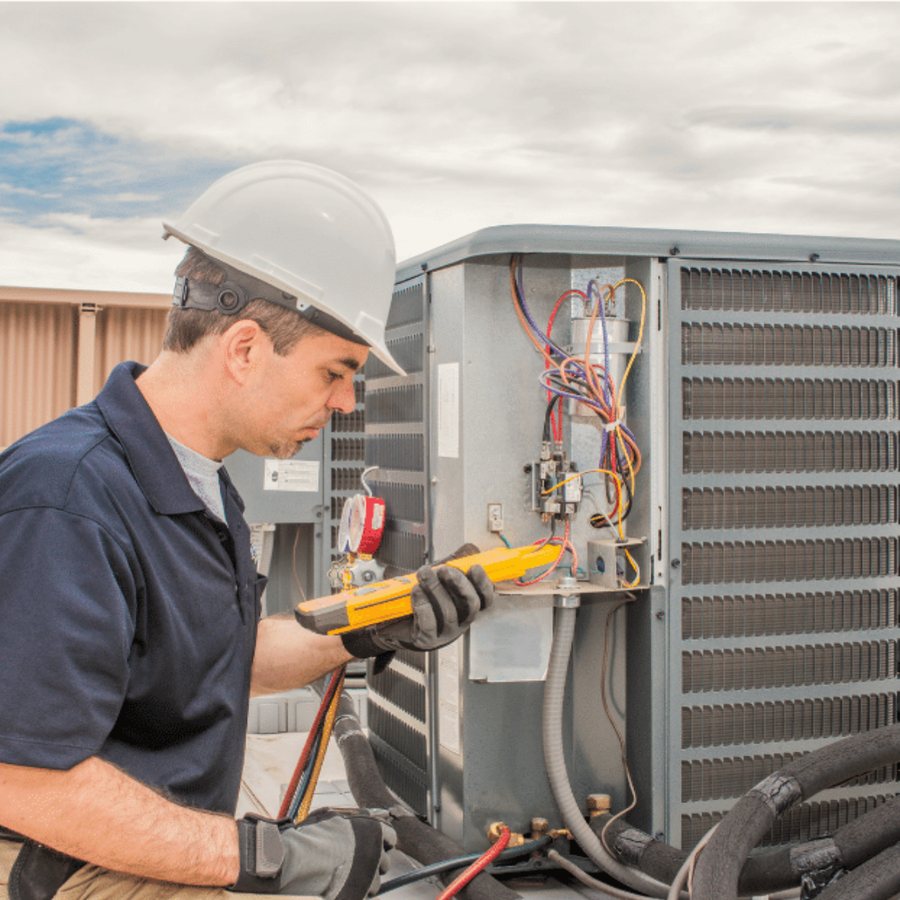
Request heat pump repair & installation for a property in Oakville. Include the equipment, the problem or planned work, and your location so the request can be reviewed.
What findings help decide whether a heat pump needs repair or a replacement assessment?
A heat pump that cannot heat, cool, or maintain expected operation may have a control, sensor, airflow, coil, or refrigerant-circuit fault. Diagnosis should account for whether the system is ducted or ductless and whether the symptom occurs in heating, cooling, or a particular operating mode. For installation, equipment capacity, the existing distribution system, and the model’s cold-weather specifications affect the design. Repair and replacement should be compared only after the condition and scope are assessed.
Note the system type, the operating mode when the fault occurs, any displayed code, affected zones, and changes in airflow or sound. Inspection may include controls, sensors, indoor and outdoor coils, defrost operation, and relevant system measurements. For installation planning, heat-load information, duct condition where present, and the equipment’s cold-climate rating help define suitable options.
Heat pump heating and cooling diagnosis
Outdoor coil, sensors, and defrost-cycle checks
Heat-load, distribution, and cold-climate installation assessment
Assessment and Scope
Questions for the Proposed Work
01
Trace heating and cooling faults by operating mode
A fault limited to heating may direct attention to controls, sensors, outdoor-coil condition, or the defrost sequence, while a cooling fault can lead to different tests. A ducted system also depends on its blower and distribution path; a ductless model requires assessment by affected head and zone. The mode, timing, and system readings help distinguish a component fault from a broader operating or airflow issue.
02
Use defrost findings to guide repair
On models with a defrost cycle, the control sequence, sensors, outdoor coil, and related operating readings can be checked when ice or poor heating is reported. The equipment’s design and conditions at the time of the symptom matter; visible frost alone does not identify a failed part. Internal electrical and refrigerant work should be left to qualified service. Findings determine whether a specific repair or further diagnosis is appropriate.
03
Base installation scope on the property and equipment
A new-system assessment should consider the heat demand, the existing ducts or indoor-head layout, electrical requirements, and the selected heat pump’s heating specifications. Those details affect equipment choice and whether distribution changes are part of the work. For an existing unit, repair may be suitable when the fault is limited and the rest of the system remains serviceable. Major damage or repeated faults can justify comparing replacement options.
Compare the next step
Ask how backup heat behaves when the owner is away and what monitoring can confirm. Record the approved operating settings, who receives alerts, and who can provide access. The absence plan should account for equipment service and the property consequences of lost heat, rather than simply installing remote controls.
Cold-climate capability does not prove that one model covers every home heating load. Ask how the selected equipment and supplementary heat meet the actual design requirements.