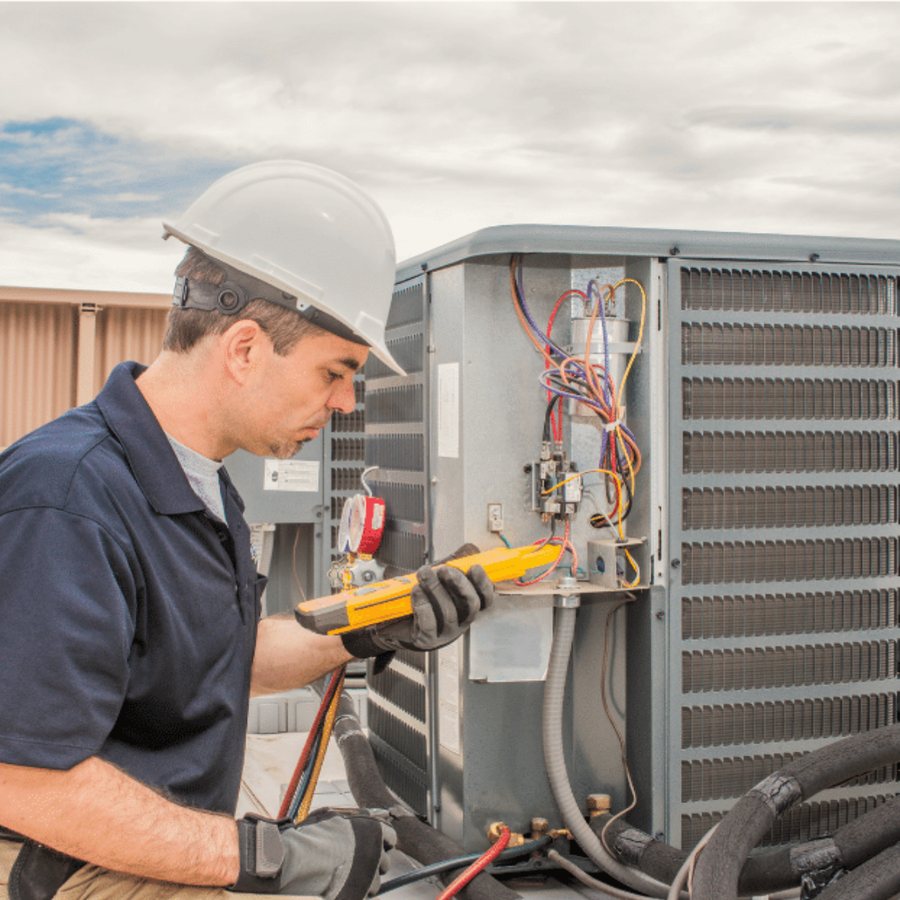
Request furnace repair for a property in Oakville. Include the equipment, the problem or planned work, and your location so the request can be reviewed.
What should be checked when a furnace will not start or heat evenly?
A furnace that will not start, produces uneven heat, or makes an unfamiliar sound may have an ignition, airflow, control, or drainage fault. Diagnosis begins by identifying the furnace type and fuel, then comparing its operating symptoms with inspection findings and appropriate measurements. Those details help distinguish a repairable component problem from a condition that needs further safety assessment. If a repair or replacement decision is being considered, the system's condition and the availability of compatible parts matter alongside the immediate fault.
Useful details include the fuel and furnace model, any displayed fault code, when the symptoms occur, and whether airflow or sounds have changed. A qualified assessment can compare control signals, electrical readings, combustion measurements where applicable, filter condition, blower operation, duct pressure, and condensate drainage. These checks help locate the cause rather than treating a symptom.
Furnace ignition and no-start faults
Filter, blower, condensate, and duct airflow checks
Combustion measurements and repair-versus-replacement decisions
Assessment and Scope
Questions for the Proposed Work
01
Separate ignition faults from airflow problems
A furnace that does not ignite may have a control, sensor, igniter, or fuel-delivery issue; the appropriate checks depend on its fuel and design. Uneven heat or weak airflow points toward different possibilities, such as a restricted filter, blower issue, or duct resistance. Measurements and fault history help identify which path to investigate. Fuel, combustion, and internal electrical work require qualified assessment, not homeowner troubleshooting.
02
Use inspection findings to choose a repair
Airflow checks can include the filter, blower wheel, condensate drain, and duct static pressure, because restriction or poor drainage can affect operation and contribute to shutdowns. On a fuel-fired furnace, combustion and venting findings also inform whether continued operation is appropriate. A repair decision should follow the diagnosed fault, equipment condition, and part compatibility. If safety or major component condition is uncertain, further assessment may be needed before operation.
03
Compare repair with replacement on the evidence
A single failed sensor or ignition component may support repair when the rest of the furnace is in suitable condition and compatible parts are available. Repeated faults, extensive corrosion, or an unsafe combustion or venting finding can change the decision and warrant a replacement discussion. The model, service history, repair scope, and inspection results help make that comparison. Maintenance tasks should follow the manufacturer’s instructions and actual findings, rather than an assumed universal checklist.
Compare the next step
Agree on who can respond locally if remote temperature monitoring shows a problem. Ask which alerts the installed controls provide and which conditions require on-site assessment. Keep the appliance information and access instructions available to that person; internet connectivity alone does not establish that heating remains dependable.
Leave burner, fuel, venting, electrical, and internal equipment work to a qualified contractor. Do not bypass a safety switch or repeatedly reset a furnace.